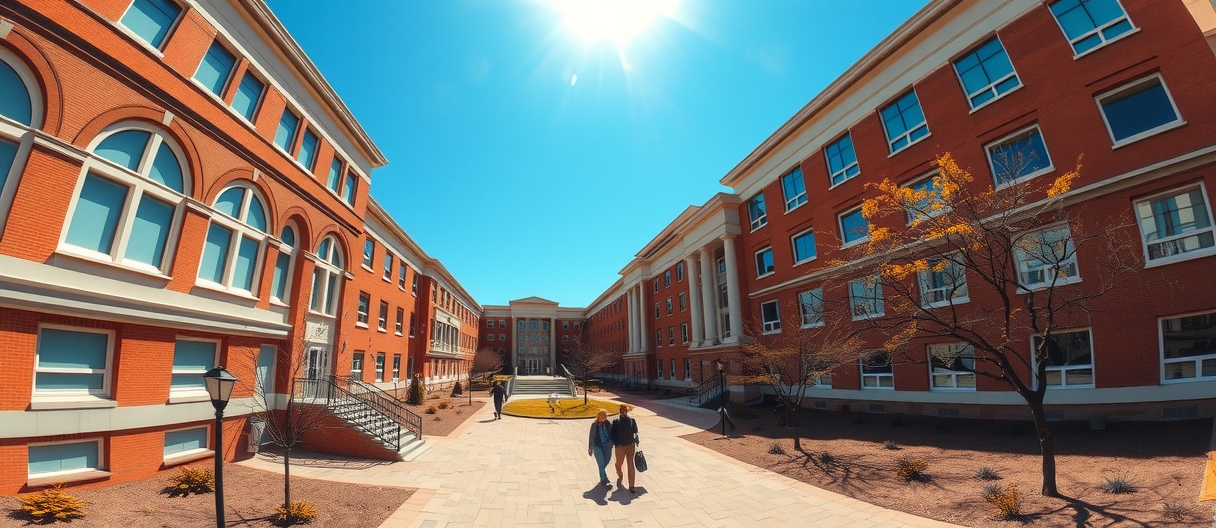
- In the 2026 US News Best Colleges rankings, UC Berkeley is the top public university, with UCLA second and the University of Michigan-Ann Arbor third
- UNC-Chapel Hill and the University of Virginia tie for fourth
- For 2025-26, UC Berkeley's nonresident undergraduate tuition and fees total about 59,940 US dollars
- UVA was founded by Thomas Jefferson and chartered in 1819.
Public universities are among the strongest routes into US higher education, combining world-class teaching and research with comparatively accessible tuition. Whether you are a high-school senior mapping your path or an international applicant weighing your options, this guide explains how to choose a public university and which institutions lead the field in 2026.
What Should You Consider When Choosing a Public University?
Choosing a public university in the US means weighing academic programmes and majors, affordability and financial aid, campus culture, and faculty quality. Compare the range of degrees, in-state versus out-of-state tuition, research facilities, student-to-faculty ratios, and support services. Match each institution against your academic interests, budget, and career goals before applying.
A respected public university should offer a wide choice of academic programmes and majors to meet students' different interests and professional goals. Look for institutions with strengths across STEM, humanities, social sciences, business, and the arts, so you can pursue a course of study that matches your passions whether or not you have a specific field in mind.
Research opportunities are critical for academic development. Consider universities that give undergraduate and graduate students the chance to join hands-on research projects, and investigate the reputation of the specific departments that match your interests. Strong departments often provide excellent networking, internships, and access to postgraduate study.
How Do You Compare Affordability and Financial Aid?
Tuition and fee structures differ widely among public colleges, so compare in-state and out-of-state costs for every university on your list. For 2025-26, UC Berkeley charges nonresident undergraduates about 59,940 US dollars in tuition and fees. Factor in scholarships, grants, loans, and the local cost of living before deciding whether an institution fits your budget.
Tuition rates vary sharply between public colleges, and out-of-state or international students usually pay far more than residents. Investigate and compare the published cost of attendance for each university, then examine your own financial position to judge whether attending is realistic.
Financial aid can substantially change what you actually pay. Look into the scholarships, grants, merit awards, and loans available at each public university, and check the eligibility criteria and submission deadlines for every programme. Remember to budget for the cost of living, which differs greatly between cities and regions.
Average cost of different types of accommodation in the USARead →Which Campus Culture and Student Life Factors Matter?
Campus culture shapes your whole experience, so weigh the size and diversity of the student body, the range of extracurricular clubs, and the support services on offer. Some students thrive on large, bustling campuses while others prefer smaller communities. Look at academic advising, career counselling, mental-health resources, and tutoring when judging how well a university will support you.
Consider the scale of each university's student body and whether it suits your social and intellectual needs. A diverse campus, with students from many backgrounds and perspectives, can enrich your education. Participating in clubs and organisations adds opportunities for personal growth, leadership, and networking.
A supportive environment is essential for academic success. Investigate the academic advising, career counselling, mental-health resources, and tutoring programmes each university provides. Institutions that prioritise student support help you navigate obstacles and make the most of your time on campus.
Why Does Faculty Quality and Resources Matter?
Faculty quality and campus resources strongly influence your education. Investigate professors' qualifications, expertise, and research records in your field, since experienced academics offer valuable mentorship. A lower student-to-faculty ratio usually means more personal attention and research opportunities. Well-equipped libraries, laboratories, and access to scholarly databases also let you explore your chosen subject in real depth.
Investigate faculty members' qualifications, expertise, and research accomplishments in your areas of interest. Professors with relevant industry experience and strong academic credentials can offer helpful insights and mentorship, so review faculty biographies and publications to gauge a university's depth of expertise.
The student-to-faculty ratio is an important indicator of how much individual attention you can expect. A smaller ratio generally means more chances to interact with instructors, seek guidance, and join collaborative research. Adequate libraries, laboratories, and scholarly databases further support advanced academic work.
Studying a BBA in the USARead →Which Are the Best Public Universities in the US for 2026?
In the 2026 US News Best Colleges rankings, UC Berkeley is the top public university, followed by UCLA, the University of Michigan-Ann Arbor, and the University of North Carolina-Chapel Hill and University of Virginia tied in fourth. Texas-Austin, Wisconsin-Madison, and Washington also rank among the nation's strongest public research universities.
| University (2026) | US News Public Rank | Location |
|---|---|---|
| UC Berkeley | No. 1 public | Berkeley, California |
| UCLA | No. 2 public | Los Angeles, California |
| University of Michigan-Ann Arbor | No. 3 public | Ann Arbor, Michigan |
| UNC-Chapel Hill | No. 4 public (tied) | Chapel Hill, North Carolina |
| University of Virginia | No. 4 public (tied) | Charlottesville, Virginia |
University of California, Berkeley
For its demanding academic programmes and innovative research, UC Berkeley is consistently ranked among the top public universities in the United States, and US News named it the nation's number one public school for 2026. It offers a wide range of majors across engineering, social sciences, humanities, and natural sciences, supported by an excellent faculty and an active campus.
University of California, Los Angeles
UCLA is a renowned public university noted for its top-notch academic courses and vibrant campus culture, ranked second among US public universities for 2026. It is celebrated for strengths in film, performing arts, business, and engineering, and its location in Los Angeles offers strong opportunities for networking, internships, and cultural life.
University of Michigan, Ann Arbor
The University of Michigan-Ann Arbor has a storied academic history and a strong commitment to interdisciplinary study. Numerous programmes are available, including those from prestigious schools of business, engineering, law, medicine, and public policy. Strong faculty and research initiatives have made it the third-ranked public university in the 2026 US News rankings.
University of North Carolina at Chapel Hill
The University of North Carolina at Chapel Hill combines academic excellence with a strong sense of community. Chartered in 1789 and opened to students in 1795, it was the only public university to award degrees in the eighteenth century. UNC is known for journalism, business, public health, and law, and ties for fourth among public universities for 2026.
University of Virginia
Founded by Thomas Jefferson and chartered in 1819, the University of Virginia blends an illustrious past with cutting-edge academic excellence. With its UNESCO-listed Academical Village and a focus on a broad, liberal arts education, UVA offers programmes across many subjects and ties for fourth among public universities for 2026.
University of Texas at Austin
The University of Texas at Austin is renowned for its extensive academic offerings and vibrant campus culture. UT Austin attracts students from across the nation and the world with top-ranked programmes in business, engineering, computer science, and the arts, alongside a strong commitment to research and close industry links.
University of Wisconsin-Madison
The University of Wisconsin-Madison is renowned for accomplished academic programmes, groundbreaking research, and a vibrant campus. It offers a wide range of majors and famous programmes in agriculture, engineering, education, and healthcare, and its commitment to innovation and collaboration fosters a lively learning environment.
University of Washington
The University of Washington in Seattle provides a vibrant and intellectually stimulating environment. The institution places a high priority on research and offers many opportunities for students to join cutting-edge studies. Its programmes in business, environmental sciences, medicine, and computer science are frequently rated among the best in the nation.
All-in-one IELTS exam guideRead →How Do You Navigate the US Application Process?
Approach the US application process methodically. Research and shortlist universities that match your academic interests, budget, and career goals, then track each institution's deadlines and document requirements. Prepare strong essays, accurate transcripts, and recommendation letters well in advance. Consult your school counsellor and mentors who have been through the process for guidance at every stage.
Start by researching public universities that fit your curricular preferences, career aspirations, and personal priorities, then prioritise the institutions that matter most to you. Weigh academic courses, research opportunities, and campus culture as you build a balanced shortlist.
- Essays: write authentic personal statements that highlight your unique experiences, accomplishments, and goals.
- Transcripts: make sure your academic records accurately reflect your achievements throughout high school.
- Recommendation letters: request them from teachers, mentors, or employers who can speak to your ability, character, and potential.
- Be aware of deadlines: note the application dates for every university you are applying to.
- Review requirements carefully: learn the documents, test results, and other materials each university needs, and gather them early.
- Seek guidance: consult your school counsellor and connect with mentors who have completed the process.
Choosing the right public university is a major step in shaping your education and career. The higher-education landscape keeps changing, so stay informed about new fields and interdisciplinary programmes, embrace the opportunities ahead, and make the most of your chosen university.